Watercolor Rainbow. Cliparts and Pattern
First Impressions: A Delicate, Vibrant Mood
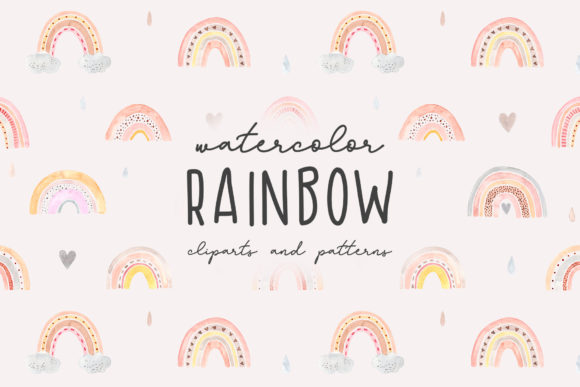
The Watercolor Rainbow. Cliparts and Pattern immediately evokes a sense of whimsy and softness. The design features gentle, flowing shapes that mimic the look of watercolor paint, with blurred edges and subtle gradients. This gives it a dreamy, artistic feel that feels both modern and nostalgic. The layout is clean and uncluttered, making it easy to integrate into a variety of projects without overwhelming the overall aesthetic.
The theme is centered around color and emotion. It’s not just a rainbow—it’s a visual expression of joy, hope, and creativity. The detail level is moderate, with enough texture to stand out but not so much that it becomes difficult to stitch or scale down.
This design naturally fits into projects that aim to convey warmth, positivity, or a playful vibe. It works well for baby items, personalized gifts, and holiday-themed merchandise.
Real-World Embroidery Use: From Tote Bags to Sweatshirts
When considering real-life embroidery situations, the Watercolor Rainbow. Cliparts and Pattern shines in custom apparel like tote bags, sweatshirts, and t-shirts. Its soft lines and pastel tones make it ideal for casual, everyday wear that still has a unique touch. For a small business owner or Etsy seller, this design could be a strong addition to a line of handmade products that emphasize creativity and individuality.
It also works well as an embroidered patch, especially for caps, jackets, or backpacks. The design’s size and shape allow it to be easily adapted to different hoop sizes, though care should be taken when working with smaller hoops to ensure all details are captured properly.
For baby items, the design adds a gentle, colorful element that can be used on onesies, blankets, or burp cloths. The soft colors are soothing and visually appealing, making it a great choice for parents looking for something special yet safe for their little ones.
Where to Be Cautious: Fabric and Design Limitations
While the Watercolor Rainbow. Cliparts and Pattern is versatile, there are certain scenarios where it may not perform as well. On textured fabrics, such as canvas or denim, the design might lose some of its clarity due to the fabric’s surface. Similarly, thin or stretchy fabrics can cause the stitches to pucker or distort, especially if the stabilizer isn’t properly applied.
On dark fabrics, the design may appear too light or washed out, depending on the thread colors chosen. It’s important to test the design on different fabric backgrounds before committing to a large project. Likewise, on layered garments or curved surfaces like caps, the design may not sit flat or may require additional adjustments to maintain its integrity.
Detailed corners or tiny lettering within the design could be challenging to execute, especially if the stitch density is too high. This could lead to a less polished finished product if not handled carefully.
Visual Appeal and Customer Perception
The Watercolor Rainbow. Cliparts and Pattern has a strong visual appeal that can elevate the perceived value of any handmade product. Its soft, artistic look makes it stand out in a market saturated with bold, graphic designs. Customers often respond positively to designs that feel unique and expressive, which can increase trust and engagement with a brand.
As a digital embroidery file, it offers flexibility for creative entrepreneurs who want to offer printable mockups or use it in commercial embroidery projects. However, the success of the design depends on how well it’s executed in the final product. Poor stitching or improper thread selection can detract from its beauty and reduce customer satisfaction.
For a small shop product or boutique branding effort, this design can serve as a consistent visual element that reinforces a brand’s identity. It’s also highly giftable, especially for occasions like birthdays, weddings, or holidays, where personalization and artistry matter.
Practical Designer Notes: Testing and Preparation
Before using the Watercolor Rainbow. Cliparts and Pattern in a real project, it’s essential to test it on scrap fabric. This helps determine how the design looks in practice and whether it meets expectations in terms of color, detail, and stitch quality.
Checking thread color contrast is crucial, especially when working with light or dark fabrics. The design may need to be adjusted or paired with specific thread shades to ensure it stands out as intended.
Reviewing the stitch density is another key step. If the design is too dense, it may cause the fabric to pucker or the stitches to become stiff. Adjusting the density or using a proper stabilizer can help maintain the design’s soft, flowing appearance.
Confirming the hoop size is also important. Some parts of the design may not fit comfortably in a small hoop, requiring splitting the design into sections or using a larger hoop for better results.
Inspecting small details, such as the edges of the rainbow or the flow of the watercolor effect, ensures that the final product looks as intended. Testing the design in black and white mockups can also reveal any issues with contrast or visibility.
Finally, checking whether the design works for both personal and commercial projects is necessary. While it’s great for handmade products, it’s important to confirm the licensing terms before selling finished items or digital products to avoid any legal issues.
Conclusion: A Versatile, Artistic Choice
The Watercolor Rainbow. Cliparts and Pattern is a thoughtful, expressive design that can enhance a wide range of embroidery projects. Whether you’re creating custom apparel, personalized gifts, or small business merchandise, this design offers a unique blend of style and functionality.
Its soft, watercolor aesthetic makes it ideal for projects that aim to evoke emotion and creativity. However, careful consideration of fabric type, stitch density, and hoop size is essential to ensure the best possible outcome.
For embroidery designers, crafters, and small business owners, the Watercolor Rainbow. Cliparts and Pattern is a valuable addition to any design library—especially for those looking to add a touch of artistry to their work.