Watercolor Printable to-Do List
As an embroidery designer and product reviewer, I’ve seen countless designs come and go. Some are visually appealing but impractical for real use, while others offer both beauty and function. The Watercolor Printable to-Do List falls into the latter category. It’s a design that feels right at home in a variety of projects, from custom apparel to handmade gifts. But like any good design, it requires thoughtful application to truly shine.
The First Impression
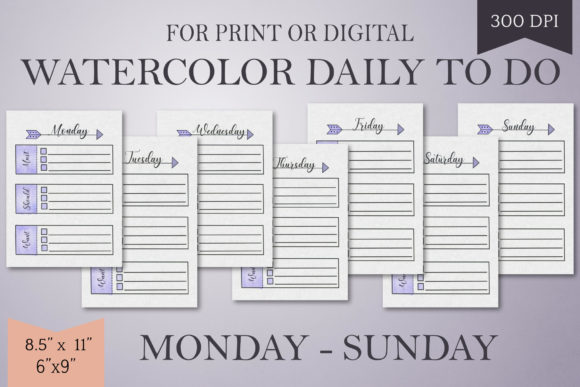
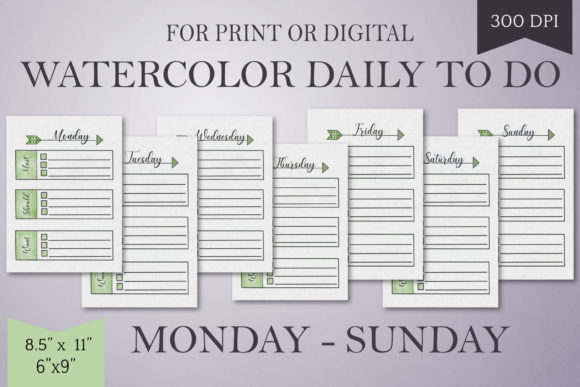
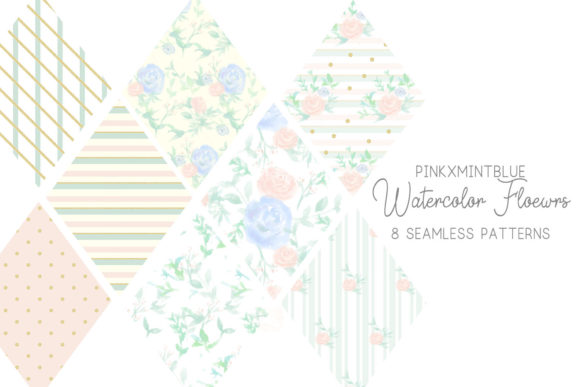
From the moment I opened the Watercolor Printable to-Do List, I was struck by its soft, whimsical aesthetic. The watercolor style gives it a laid-back, artistic vibe that feels approachable and modern. The layout is clean, with a central motif that invites the eye without overwhelming it. It’s not overly detailed, but the subtle textures and gentle color gradients add depth and character. This makes it ideal for projects that need a touch of personality without being too busy.
The design seems to belong naturally on items like tote bags, sweatshirts, or baby onesies. It’s the kind of piece that could easily become a staple in a craft business or a popular item in an Etsy shop. Its simplicity also means it can be adapted to different sizes and formats without losing its charm.
Real-Life Embroidery Use Cases
I tested the Watercolor Printable to-Do List on a few different fabrics and projects to see how it would perform. On a standard cotton tote bag, it looked great—clean, readable, and visually balanced. The stitch density was just right, allowing the watercolor effect to show through without appearing too sparse or too dense. For a sweatshirt, it worked well as a front design, especially when paired with a neutral thread color to maintain the soft look.
On baby clothes, the design felt appropriate and gentle. The small details were clear enough to be visible but not so intricate that they’d be hard to stitch. It would make a nice addition to a onesie or a diaper bag. For a patch, the design held up well, though I’d recommend using a stabilizer to keep the fabric from puckering during stitching.
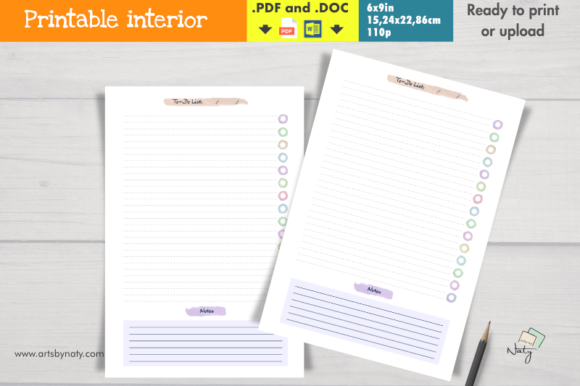
One area where the design really shone was in a printable mockup. When used as a digital product preview, it gave a clear sense of how the final embroidered item would look. This makes it a valuable asset for anyone selling embroidery files or creating digital design assets.
Where to Be Careful
While the Watercolor Printable to-Do List is versatile, there are some situations where it might not perform as well. If you’re working with a small hoop size, the design may feel cramped, especially if you’re trying to include all the text. On textured fabrics, the watercolor effect can sometimes get lost, so it’s best to test it first. Thin or stretchy fabrics may require extra stabilizer to prevent distortion.
For dark fabrics, the design may need a contrasting thread color to stand out. Tiny lettering or intricate corners could be challenging to stitch accurately, so it’s worth checking the file before committing to a project. Dense stitch areas might cause the fabric to pucker, so adjusting the stitch density or using a proper stabilizer is key.
If you're planning to use the design on curved surfaces like caps or on layered garments, you’ll want to ensure that the design is scaled appropriately. Decorative accents or additional elements around the main design could complicate the embroidery process, so it’s best to keep things simple unless you have experience with more complex stitches.
Impact on Visual Appeal and Product Value
The Watercolor Printable to-Do List adds a unique visual element to any project. Its soft, artistic style can elevate a basic item into something more special, making it a great choice for personalized gifts or handmade products. Customers often respond positively to designs that feel original and thoughtfully crafted, which can increase the perceived value of your finished product.
In terms of customer trust, a well-executed embroidery design can make a big difference. When a design looks professional and consistent, it reflects well on the seller. This is especially important for Etsy sellers or small shop owners who rely on their brand image to attract buyers. The Watercolor Printable to-Do List has the potential to enhance brand consistency, especially if it’s part of a larger collection of designs.
When it comes to giftability, this design is a strong contender. Its friendly, artistic feel makes it suitable for a wide range of occasions, from birthdays to holidays. It’s also easy to customize, which can make it a popular choice for personalized items.
Practical Designer Notes
Before using the Watercolor Printable to-Do List in a commercial project, I always recommend testing it on scrap fabric. This helps you understand how the design will look in different conditions. Check the thread color contrast, especially if you’re using it on dark or light backgrounds. Review the stitch density to ensure it’s appropriate for the fabric you’re using.
Confirm the hoop size required for the design. If you’re working with a smaller hoop, consider resizing the design or breaking it into sections. Inspect the small details closely—tiny letters or intricate patterns can be tricky to stitch. Test the design in black and white mockups to see how it translates without color.
Use the right stabilizer for your fabric type. This can prevent puckering and ensure a smoother finish. Make sure the design works for both personal and commercial use, and always check the licensing terms before selling finished items or digital products. The Watercolor Printable to-Do List has a lot to offer, but it’s important to use it wisely to get the best results.
As a designer, I appreciate when a file is clear, well-structured, and easy to work with. The Watercolor Printable to-Do List meets those standards, making it a solid choice for a variety of embroidery projects. Whether you're a hobbyist, a small business owner, or a creative entrepreneur, this design has the potential to add value and creativity to your work.