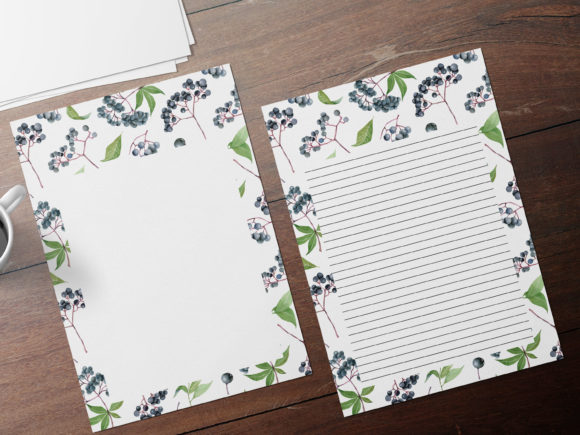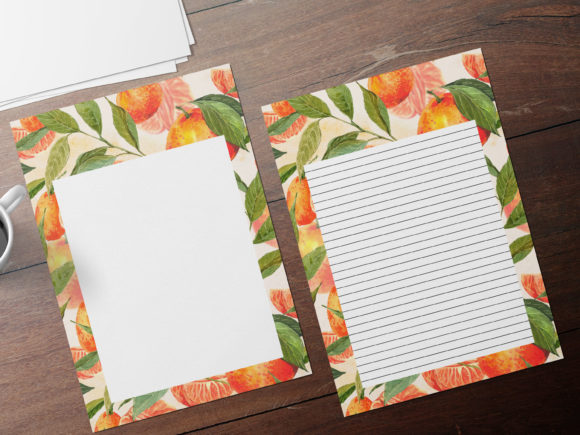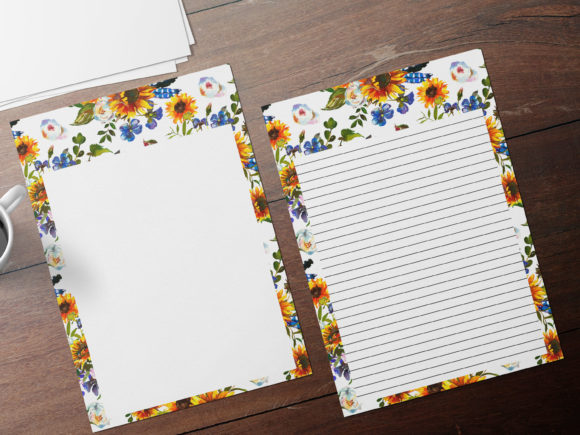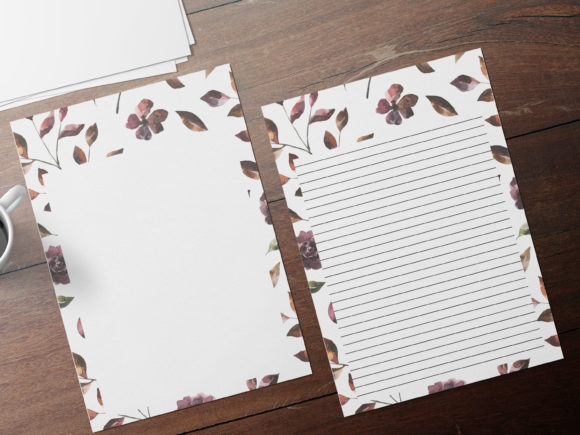
Minimal Watercolor Flowers Stationery
As an embroidery designer and product reviewer, I’ve evaluated countless machine embroidery designs, but few have the quiet charm of Minimal Watercolor Flowers Stationery. This print template offers a soft, artistic aesthetic that feels both modern and timeless. Its gentle curves, subtle color gradients, and delicate floral shapes make it ideal for projects that aim to evoke calm, elegance, and personal expression.
The First Impression: A Subtle Artistic Mood
From the moment you open Minimal Watercolor Flowers Stationery, it’s clear this is not a design meant to shout. It’s designed to whisper. The layout is clean, with a balanced composition that avoids clutter while maintaining visual interest. The flowers are stylized in a way that feels hand-painted, with soft edges and minimal shading—perfect for those who appreciate understated beauty.
This design naturally belongs in projects that prioritize simplicity and sophistication. Think personalized baby items, elegant tote bags, or handmade stationery. It’s not the kind of design that demands attention, but it does invite closer inspection, which is exactly what makes it appealing for custom apparel, embroidered patches, or printable mockups.
Real-Life Embroidery Use Cases
When considering where to apply Minimal Watercolor Flowers Stationery, the possibilities are wide-ranging. For example, if you're creating a custom embroidered tote bag for a client, this design could be the perfect centerpiece. Its low-contrast lines and flowing shapes work well on light-colored fabrics, making it ideal for a minimalist, modern look.
On a sweatshirt or t-shirt, the design would stand out without overwhelming the garment. It’s also a great fit for baby clothes, where softness and simplicity are key. For a small shop product, like an apron or kitchen towel, the design adds a touch of personality without being too busy.
If you’re an Etsy seller or craft business owner, this design could be a valuable addition to your digital product catalog. It works well as a printable mockup or as part of a larger set of design assets. Its versatility makes it suitable for both personal use and commercial projects, provided you check the licensing terms before selling finished items.
Where to Use With Caution
While Minimal Watercolor Flowers Stationery is versatile, there are situations where it may not perform as well. For instance, on small hoop sizes, the design’s delicate details might get lost. If you're working with textured fabrics or thin materials, the stitch density may need adjustment to prevent puckering or distortion.
On dark fabrics, the design’s muted tones could become less visible, so testing with different thread colors is recommended. Similarly, on stretchy or layered garments, the design may require additional stabilizer to maintain its shape during stitching.
For curved surfaces like caps or hoods, the design’s flow may need some tweaking to ensure it sits correctly. Tiny lettering or intricate corners might not translate well unless the hoop size and stitch density are carefully managed.
Impact on Visual Appeal and Customer Perception
Minimal Watercolor Flowers Stationery has a calming effect on the eye, which can enhance the perceived value of a handmade product. When stitched onto a custom item, it adds a sense of care and intentionality that resonates with buyers looking for unique, thoughtful gifts.
It also contributes to brand consistency when used across multiple products. Whether it's a holiday gift, a boutique item, or a commercial embroidery project, the design maintains a cohesive look that aligns with a professional, creative aesthetic.
From a customer perspective, this design feels approachable and inviting. It’s the kind of embroidery that people want to display, gift, or wear because it doesn’t demand attention—it simply enhances the overall experience of the finished product.
Practical Designer Notes
Before committing to a project, always test Minimal Watercolor Flowers Stationery on scrap fabric. This will help you assess how the design translates in real-world conditions. Pay close attention to thread color contrast, especially if you're using dark or patterned fabrics.
Review the stitch density to ensure it’s appropriate for the fabric type. For delicate or stretchy materials, consider using a stabilizer to prevent distortion. Also, inspect small details like corners and edges to make sure they hold up under stitching.
Test the design in black and white mockups to see how it looks without color. Compare it against both light and dark fabric backgrounds to determine the best visual outcome. If you're planning to sell finished items, confirm the licensing terms and ensure the design is suitable for commercial use.
Finally, remember that this design is best suited for projects that emphasize simplicity and artistry. It’s not a one-size-fits-all solution, but when used thoughtfully, it can elevate a wide range of embroidery projects—from personalized gifts to small shop merchandise.