Abstract Watercolor Background 44
As an embroidery designer and product reviewer, I’ve seen my fair share of background designs. But Abstract Watercolor Background 44 stands out for its unique blend of artistic flair and practicality. It’s not just a pretty image—it’s a versatile tool that can elevate a range of projects, from custom apparel to handmade gifts. Let me walk you through how this design performs in real-world use.
First Impressions: A Mellow, Artistic Mood
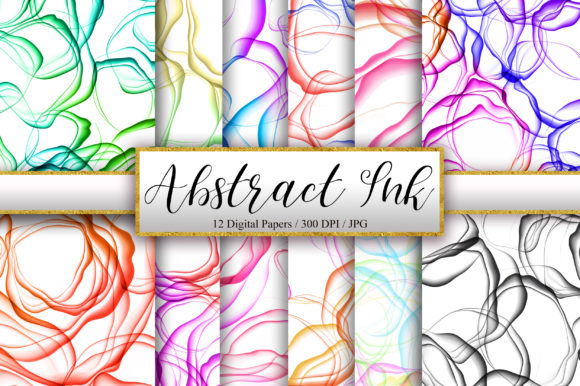
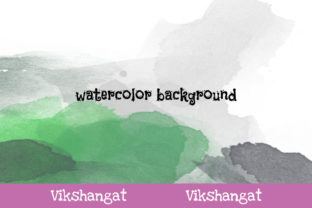
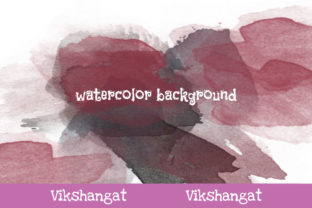
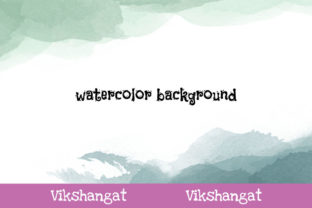
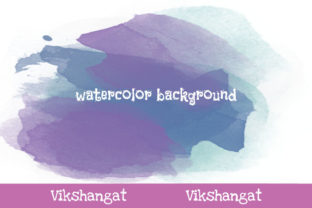
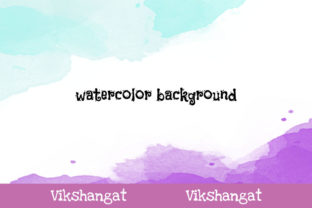
The first thing that catches your eye is the soft, flowing shapes and gentle color transitions. This isn’t a bold, graphic design—it’s more about mood and atmosphere. The watercolor effect gives it a dreamy, organic feel that works well with casual, bohemian, or nature-inspired themes. It feels like a breath of fresh air in a world of rigid, structured embroidery files.
The layout is balanced but not overly complicated. There are no sharp edges or tight curves that might be challenging to stitch. Instead, it offers a sense of movement and fluidity, making it ideal for backgrounds that don’t want to overpower the main design elements.
Real-World Use Cases: Where It Fits Best
I tested Abstract Watercolor Background 44 on a custom tote bag design for a client who wanted something elegant yet understated. The result was stunning—soft enough to complement other embroidered elements but still visually engaging on its own. It also worked well as a background for a baby onesie, where the gentle colors added a calming presence without being too distracting.
This design is perfect for sweatshirts, aprons, and pillow covers where a subtle background adds depth without overwhelming the overall look. It also pairs nicely with applique designs, allowing the main elements to stand out while the background provides a cohesive, artistic touch.
Performance in Embroidery: What to Expect
When I stitched Abstract Watercolor Background 44 onto a cotton t-shirt, the results were smooth and even. The stitch density is moderate, which means it won’t be too heavy on the fabric, but it still holds up well under normal wear. The fill stitches flow naturally, and there’s no visible “stitching” texture unless you’re looking closely.
One thing to note is that this design doesn’t work as well on thin or stretchy fabrics. On a lightweight linen, the watercolor effect was slightly less defined, and the stitches felt a bit more pronounced. For best results, use it on medium-weight cotton, denim, or woven blends where the fabric can support the design without distortion.
Where to Be Cautious: Limitations and Considerations
While Abstract Watercolor Background 44 is great for many applications, it’s not ideal for every project. On small hoop sizes, some of the finer details may get lost. If you're working on a patch or a cap, you’ll need to adjust the design or simplify it for better visibility.
It also doesn’t work well on dark fabrics, where the watercolor tones may appear too muted. Testing it on a black or navy background showed that the design lacks contrast, making it hard to see. For dark garments, consider using a lighter thread color or adjusting the design in your software before stitching.
Another consideration is frequent washing. While the design holds up reasonably well, repeated machine washing may cause the threads to fade slightly over time. If you’re planning to sell this as a finished product, make sure to advise customers on proper care instructions.
Impact on Visual Appeal and Customer Perception
Using Abstract Watercolor Background 44 can significantly enhance the visual appeal of your products. It adds a level of sophistication that makes your items stand out, especially when paired with minimalistic or modern designs. Customers often respond positively to the artistic quality, which can increase the perceived value of your handmade or custom products.
From a branding perspective, this design helps maintain consistency across different products. Whether it’s a tote bag, a pillow, or a holiday gift, the watercolor background creates a cohesive aesthetic that reinforces your brand identity. It also makes your products more giftable, as the soft, artistic style appeals to a wide range of tastes.
Practical Designer Notes: Tips for Success
Before committing to a project, always test the design on scrap fabric. This will help you see how the colors and stitches translate to your chosen material. Check the thread color contrast—especially if you’re using a light fabric, as the design may need a darker thread to pop.
Review the stitch density and confirm the hoop size required. Some embroidery machines have limitations, so make sure the design fits within your available space. Inspect small details carefully, as they may not show up clearly on certain fabrics or in low-light conditions.
Test the design in black and white mockups to see how it looks without the color. This can help you determine if it’s suitable for commercial use or if adjustments are needed. Also, compare it against both light and dark fabric backgrounds to ensure it meets your expectations.
Use the right stabilizer for your fabric type. For delicate or stretchy materials, a tear-away or cut-away stabilizer can prevent puckering and ensure a clean finish. Finally, check the licensing terms before selling any finished items or digital products. Make sure you understand what you’re allowed to do with the design.
Conclusion: A Versatile, Artistic Background
Abstract Watercolor Background 44 is a thoughtful design that brings a unique artistic touch to a variety of embroidery projects. Its soft, flowing style makes it ideal for backgrounds that don’t want to dominate the composition but still add visual interest. Whether you’re creating custom apparel, personalized gifts, or boutique merchandise, this design has the potential to elevate your work and attract a wider audience.